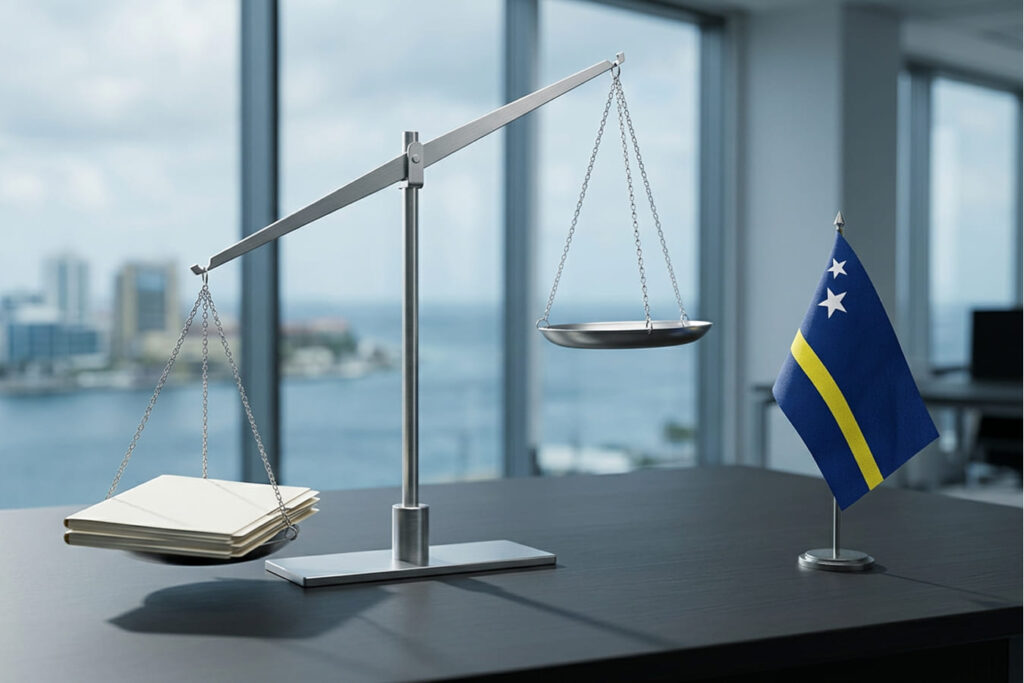
Growing interest in gambling and its regulation requires clear and transparent mechanisms for resolving disputes between players and operators, particularly when handling Curaçao gaming authority complaints.
In accordance with the new requirements of the Player Complaint Policy approved by the Curaçao Gaming Authority (CGA), all operators operating under a CGA license are required to implement effective and transparent procedures for handling player complaints. The purpose of this policy is to ensure fairness, transparency and independence in the resolution of disputes arising from players’ participation in gambling.
Key provisions of the policy
This policy is designed to ensure a simple and effective complaint resolution process by providing players with clearly defined channels for submitting complaints and resolving them. All operators operating under CGA licences are required to clearly set out their complaint resolution procedures in their terms and conditions and provide appropriate tools for submitting and handling complaints. At the same time, the new policy provides for mandatory reporting, transparency in dispute resolution and the protection of players’ rights.
CGA complaint process: clear requirements and deadlines
One of the key requirements of the policy is transparency in the complaint process. Players have the right to file a Curacao gaming complaint about any aspect of their interaction with the operator, including deposits, withdrawals, unfair games, breaches of bonus terms or responsible gaming.
Complaints must be submitted using the official form available on the operator’s website. It is important to note that complaints must be submitted within six months of the incident occurring.
The complaint resolution process has clearly defined deadlines:
-
Complaints about responsible gaming must be resolved within 5 working days.
-
Other types of complaints must be reviewed within 4 weeks. If more time is needed, the deadline can be extended by another 4 weeks with prior notice to the player.
The role of the CGA gaming authority: monitoring compliance
The CGA does not handle individual complaints, but plays an important role in overseeing their handling and ensuring that operators comply with the policy. It has the right to intervene if an operator does not comply with the established rules. In addition, players can contact the CGA directly (via official channels such as [email protected]) if they believe that an operator is violating the licence conditions leading to a Curacao gaming license complaint, or if they suspect abuse or fraud.
Alternative dispute resolution (ADR Curacao): free for players
One of the biggest advantages of the new policy is the mandatory provision of ADR services for all players, allowing disputes to be resolved outside of court proceedings. This allows players to resolve their disputes with operators efficiently and free of charge without incurring additional costs. The operator is obliged to cover all costs of the ADR process. It is important to note that once the ADR process has been completed, the player cannot reapply to another ADR provider for the same dispute.
Artificial intelligence in the complaint handling process
The use of artificial intelligence (AI) is permitted under this policy, but with certain restrictions. AI may be used for initial complaint handling, but in cases that require more detailed consideration or relate to responsible gaming, complaints must be handled by a human being. All decisions made using AI must be thoroughly reviewed for compliance and fairness.
Reporting and record keeping
Operators are required to submit reports to the CGA twice a year on the number of complaints received, the categories of complaints, and the number of complaints resolved and referred to ADR. Operators are also required to keep records of all unresolved complaints for five years, ensuring transparency and enabling audits to be carried out where necessary.
Importance for the market and players
The introduction of these changes is important for increasing trust in the gambling market in Curaçao.
The requirements will promote transparency in operators’ activities, creating conditions for more responsible and ethical business practices. Players can be confident that their rights will be protected and that any disputes with operators will be resolved fairly and transparently.
Conclusion: Towards an improved gambling market
The new player complaint resolution policy will undoubtedly be an important step towards ensuring a fairer and more transparent gambling market in Curaçao. It not only guarantees the rights of players but also ensures that operators are accountable for the proper resolution of disputes. From now on, all market participants — from operators to players — have clear and understandable rules of the game, making gambling more open and predictable for everyone. Importantly, the policy comes into force on 31 July 2025, and all operators must implement its requirements by that date.
2026 Compliance Update: As the July 2025 deadline has now passed, operators failing to address a Curaçao gaming license complaint effectively face immediate regulatory audits and potential licensing sanctions from the authority.
Frequently Asked Questions (FAQ)
How do I submit Curacao Gaming Authority complaints?
To submit a complaint, you must first use the official dispute resolution form on the specific casino’s website. If the operator fails to resolve it within the mandated 4-week timeframe, you can escalate the issue to an independent ADR provider.
Is there a fee to file a CGA complaint?
No. Under the new regulations, Alternative Dispute Resolution (ADR) is completely free for the player. The operator holding the license is legally obligated to cover all costs associated with the mediation process.
What issues can lead to a Curacao gaming complaint?
Players can file complaints regarding a wide variety of issues, including delayed or denied withdrawals, unfair gameplay, breaches of bonus terms and conditions, or failures by the operator to enforce responsible gaming limits.
Planning a gambling license?
Compare Anjouan, Curaçao, Tobique and Kahnawake with our licensing team. The first call is free.

This article is for general informational purposes only and is not legal, tax, or financial advice. Consult a qualified professional before acting. Editorial Policy.